Understanding Caravan Electrics: A Beginner's Guide to 12V and 230V Systems
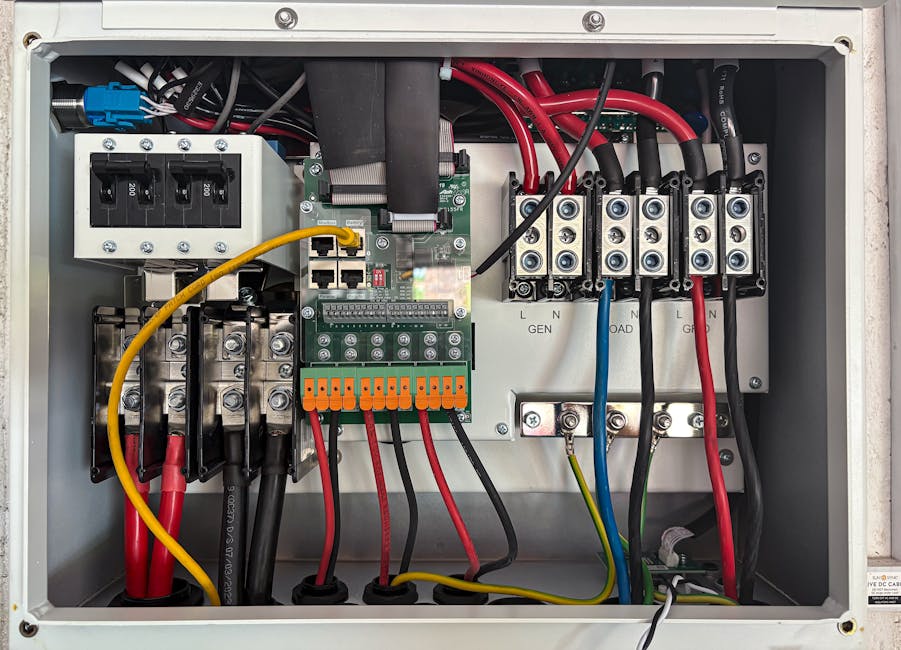
Caravan electrical systems confuse many new owners, but they're actually straightforward once you understand the basics. Most caravans use two separate electrical systems: 12V for essentials and 230V for mains-powered appliances.
The 12V System
Your leisure battery provides 12V power when you're not on a campsite hook-up. This powers lights, the water pump, gas ignition, and some appliances. A standard leisure battery has around 110-120 amp-hours capacity, meaning it can power a 10-amp load for roughly 11 hours before flattening. In reality, you shouldn't discharge it below 50% or you'll damage it.
The leisure battery charges in three ways: from the engine alternator when towing, from a mains charger when connected to a hook-up, or from solar panels. Many caravans have a split-charge relay that prevents the leisure battery draining the vehicle battery when stationary.
Hook-Up and 230V Power
When connected to a campsite hook-up, your caravan receives 230V mains electricity. This powers the boiler, cooker, microwave, and most appliances. Hook-ups are typically 10 or 16 amps; a 10-amp supply provides roughly 2.3 kW, so you can't run the boiler and microwave simultaneously on a 10-amp pitch.
Understanding Amps and Watts
Watts = Volts × Amps. A 230V kettle drawing 13 amps uses 3,000 watts (3kW). On a 10-amp hook-up, you have 2,300 watts total available. Exceeding this trips the circuit breaker. Check appliance power ratings before buying and plan usage carefully on limited supplies.
Batteries and Charging
A smart charger automatically stops charging when your battery is full, preventing overcharging. Many modern caravans have sophisticated battery management systems that monitor voltage and charge status. If your battery drains quickly, check for parasitic loads—appliances drawing power when everything seems switched off.
Solar Panels
Solar panels (typically 100-200 watts) trickle-charge your battery during daylight. They're excellent for static holidays but won't maintain charge if you use significant power. A 100-watt panel generates roughly 5 amps on a sunny day.
Safety Essentials
Always use a properly earthed hook-up cable and check it for damage before use. Never attempt electrical repairs unless qualified. If you smell burning or notice sparks, disconnect immediately and contact a professional. Caravan electrics can be dangerous if mishandled.
Understanding these basics helps you use your caravan efficiently and safely. Most problems arise from overloading circuits or letting batteries drain too far.